
KSZGYSZ PROFESSIONAL CONFERENCE
Europe under pressure – The Industrial Emissions Challenge
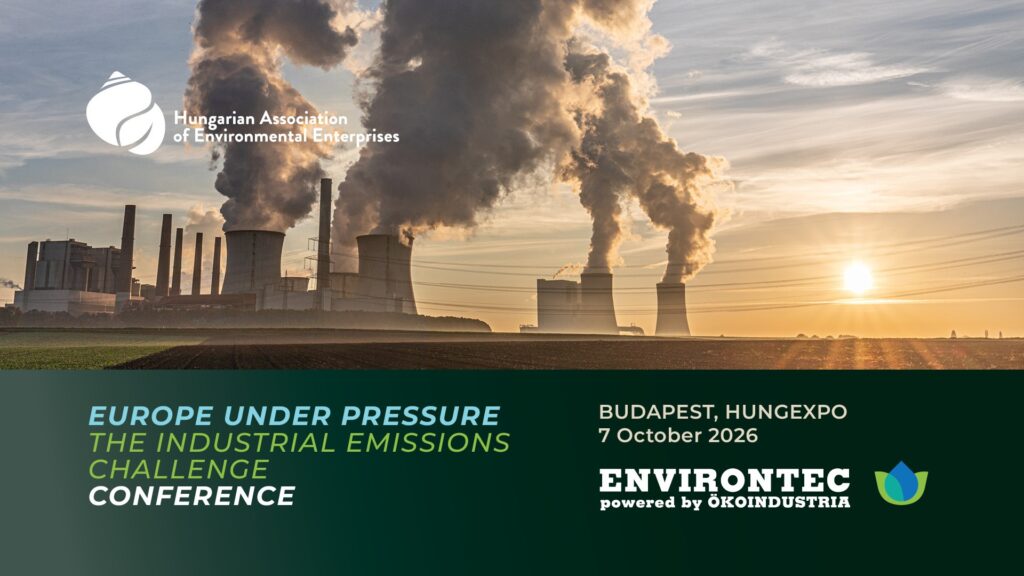
Industrial activities continue to play an important role in the European economy, but they also have a significant negative environmental impact. Major industrial installations are responsible for a significant proportion of atmospheric pollutant emissions. In addition, their activities generate large amounts of waste and wastewater while consuming significant amounts of energy. These and the resulting emissions have an impact on water and soil, damage ecosystems and plants, and endanger the environment. Thus, the environmental and health impacts of industrial installations and the risks of their emissions must be mitigated, and their safe operation must be ensured and controlled, which can be ensured by uniform EU-level legislation, in line with the EU Zero Pollution Action Plan.
Directive (EU) 2024/1785 of the European Parliament and of the Council of 24 April 2024 is of particular importance, both due to the complexity of the regulation and the scope of those affected. (hereinafter referred to as IED 2.0), which must be transposed by Member States by 1 July 2026. The directive also covers the issue of preventing and reducing emissions to air from industrial installations and animal husbandry.
The transposition of the Directive by the Member States is a complex task involving several professional fields, which also includes the domestic licensing procedures, monitoring, sanctioning and the revision of the regulations on the relevant economic activities. By the autumn of 2026, on the one hand, the completion of EU regulations and the actualities related to domestic transposition may be of significant interest.
Environmental challenges and solutions in Central and South-Eastern Europe
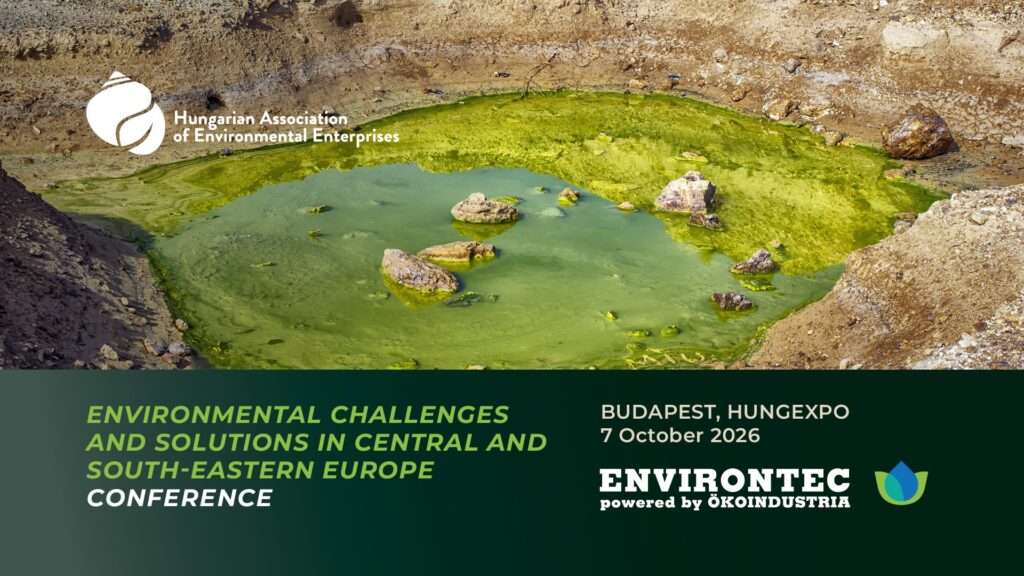


The environmental challenges of the Central and South-Eastern Europe region can be traced back to several reasons: in the countries of the region, the industrialization of the past decades, investments related to economic convergence and the management of the effects of climate change require complex solutions. The main key areas are air pollution, water pollution and water management, waste management and biodiversity loss. To address the challenges across borders, the exploitation of the opportunities inherent in regional cooperation, the efficient use of EU funds, the issue of environmental industry innovations and the importance of raising awareness are increasingly coming to the fore.